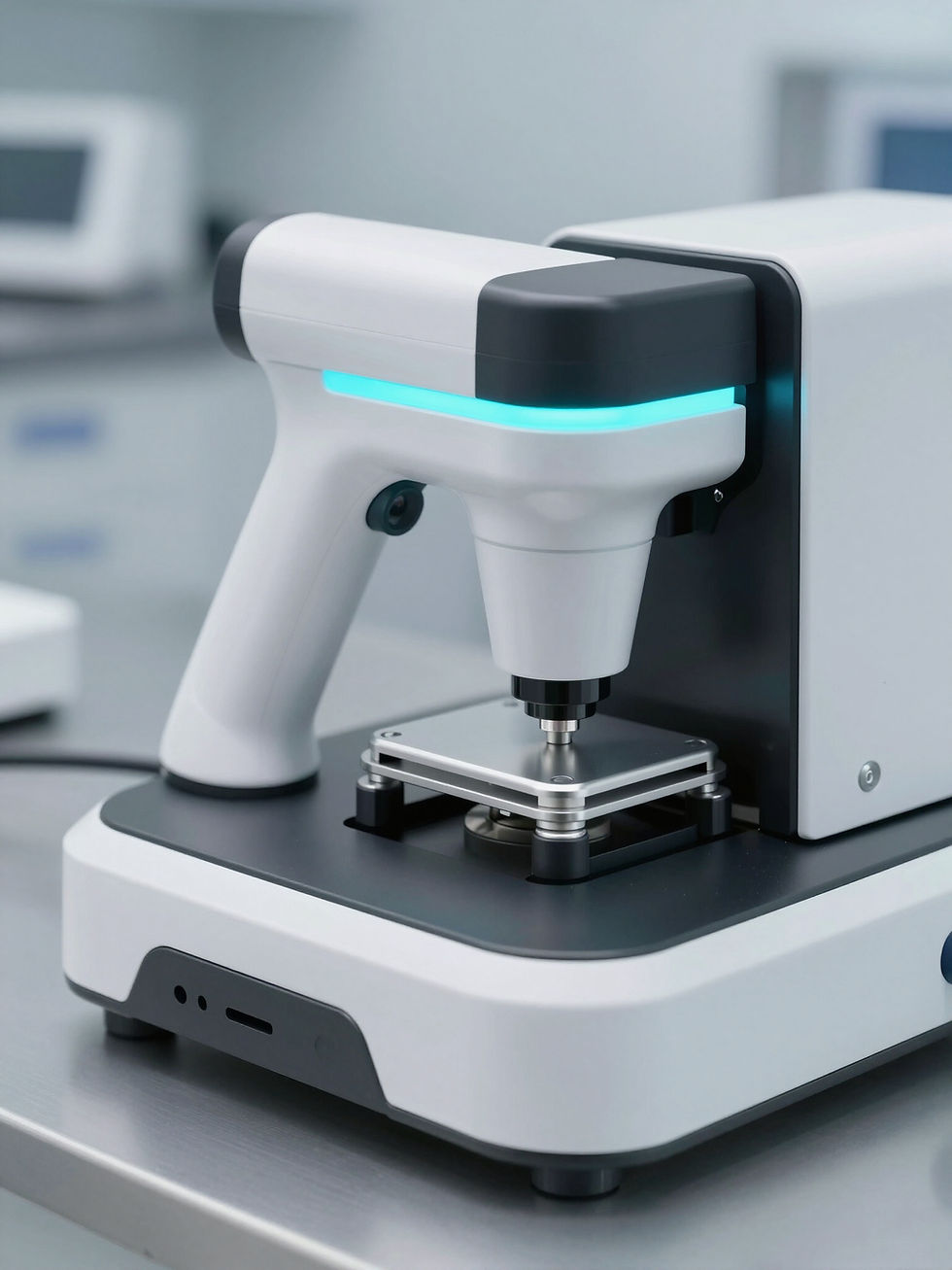
Automation in Phlebotomy
As healthcare undergoes a profound digital evolution, the field of phlebotomy is experiencing a significant paradigm shift driven by advanced technology. Automation is no longer a concept of the future; it is actively redefining clinical environments, optimizing workflows, and enhancing patient care from the initial point of contact.
Automated pre-analytical systems are transforming the day-to-day responsibilities of phlebotomists. By streamlining specimen sorting, labeling, and initial processing, these technologies reduce human error and dramatically accelerate turn-around times. Rather than replacing the human element, automation elevates the phlebotomist's role, allowing professionals to focus more deeply on patient interaction and specialized collection techniques.
Amidst these technological advancements, the industry is witnessing unprecedented demand, with a projected 22% job growth through 2030. Modern phlebotomists who master these automated systems are positioning themselves at the forefront of a high-tech medical landscape, where precision and clinical efficiency are paramount.
FOCUS AREA: PRE-ANALYTICAL WORKFLOW OPTIMIZATION & INTERACTIVE CARE SYSTEMS

Mobile Phlebotomy & Accessibility
The rise of mobile phlebotomy represents a fundamental shift in healthcare delivery, prioritizing patient comfort and accessibility. By bringing specialized clinical infrastructure directly to a patient's doorstep, we eliminate the barriers of travel, wait times, and logistical stress, ensuring that life-critical diagnostics are available to everyone, regardless of mobility or location.
Our mobile services utilize compact, high-precision point-of-care specimen coolers and advanced portable tracking technology. This modernized approach not only serves homebound individuals but also provides corporate wellness programs and remote facilities with the same rigorous sterile protocols found in a stationary lab. As the industry evolves, the phlebotomist's role is transforming into a specialized mobile clinician, bridging the gap between advanced diagnostics and everyday patient care.
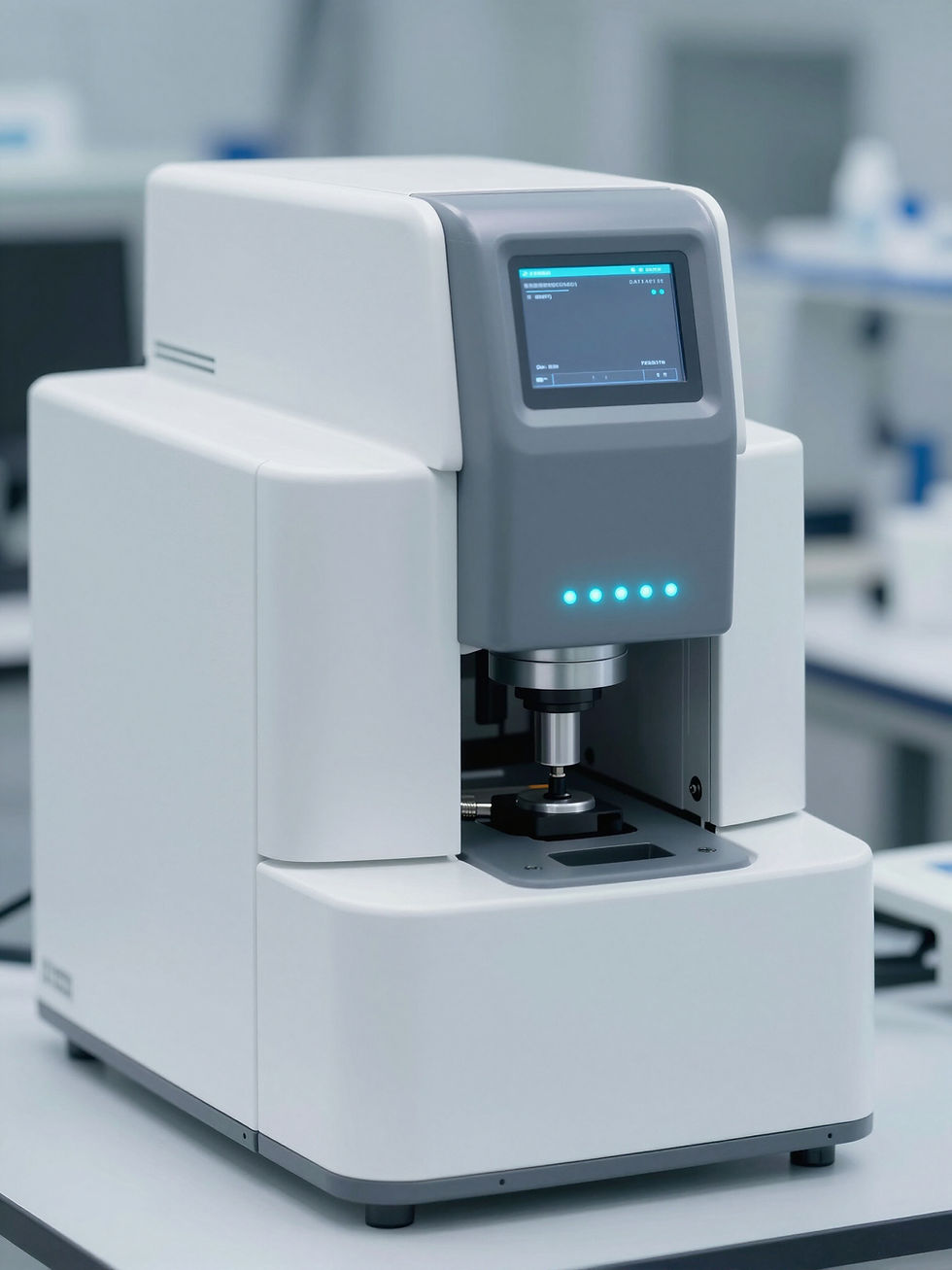
Advanced Diagnostics & Molecular Architecture
Molecular Sequencing | Pathogenic Analysis | Genomic Integrity
The integration of molecular diagnostics is redefining the phlebotomist's role from simple sample collection to a critical link in the genomic testing chain. Advanced diagnostics allow for earlier detection of hereditary conditions and infectious diseases with unprecedented molecular precision.
By mastering high-sensitivity collection protocols, phlebotomists ensure the biological integrity required for complex sequencing. This shift toward precision architecture in diagnostics not only improves patient outcomes but also elevates the professional standing of clinical staff in modern healthcare ecosystems.
22%
JOB GROWTH PROFILE THROUGH 2030
Job Growth & Industry Outlook
The demand for skilled phlebotomists is reaching unprecedented levels, with a projected 22% job growth through 2030, significantly faster than the average for all occupations. As healthcare systems expand and the aging population increases, the need for precise diagnostic testing becomes the cornerstone of patient care management.
This expansion is driven by the integration of automation and mobile services, which creates new specialized roles. Phlebotomists are no longer just technicians but clinical partners who manage sophisticated diagnostics and provide essential accessibility to patients in diverse settings. The future offers a stable, high-impact career path for those trained in these advanced clinical protocols.